
What Happens at Closing When Selling a Home in Sacramento?

What Happens at Closing When Selling a Home in Sacramento?
You accepted an offer.
The inspections are complete.
The appraisal is done.
The buyer’s loan is moving forward.
Escrow is almost finished.
Now you may be wondering:
What actually happens at closing when selling a home?
For many sellers, closing can feel like a mystery because so much happens behind the scenes. There are documents to sign, funds to transfer, the deed to record, keys to hand over, and final details to confirm.
The good news is that closing is usually more organized than sellers expect.
At Dwell Real Estate, we help Sacramento homeowners understand each step so the end of the sale feels clear, calm, and well-managed.
What Does “Closing” Mean?
Closing is the final stage of the home sale.
It is when the legal and financial pieces of the transaction are completed so ownership can transfer from the seller to the buyer.
In California, this usually happens through escrow.
Escrow is a neutral third party that helps manage the transaction according to the written instructions in the purchase agreement. Escrow collects documents, coordinates funds, handles payoffs, works with title, and helps make sure the required steps are completed before the sale closes.
For sellers, closing usually means:
-
Signing final documents
-
Confirming payoff amounts
-
Completing any agreed-upon repairs or terms
-
Moving out by the agreed possession date
-
Turning over keys and access items
-
Having the deed recorded
-
Receiving net proceeds after closing
Is Closing a Meeting Everyone Attends?
In California, closing is usually not one big meeting where the buyer and seller sit together at a table.
Instead, the buyer signs their documents, the seller signs their documents, escrow and title coordinate the final details, and the transaction closes once funding and recording are complete.
As a seller, you may sign documents:
-
At the escrow office
-
With a mobile notary
-
Electronically for some documents
-
In advance of the actual closing date
Your signing appointment may happen before the official close of escrow.
Signing documents does not always mean the sale has closed. The sale typically closes when the deed is recorded and escrow confirms completion.
What Documents Does the Seller Sign?
Seller closing documents can vary, but they commonly include:
-
Grant deed or deed transfer documents
-
Escrow instructions
-
Settlement statement
-
Payoff authorization
-
Tax forms
-
Affidavits or identity documents
-
Final disclosures or confirmations
-
Any required title documents
-
Documents related to liens, mortgages, or ownership
The exact documents depend on your property, loan payoff, title situation, and escrow requirements.
Escrow will guide you through what needs to be signed and notarized.
What Is the Settlement Statement?
The settlement statement shows the financial breakdown of the sale.
For sellers, it may include:
-
Sale price
-
Mortgage payoff
-
Property tax prorations
-
Escrow fees
-
Title fees
-
Commissions
-
Seller credits
-
Repair credits
-
HOA fees, if applicable
-
Transfer taxes, if applicable
-
Other agreed costs
-
Estimated net proceeds
This is an important document to review carefully.
Your net proceeds are the amount you receive after the costs, credits, and payoffs are deducted from the sale price.
If anything looks unfamiliar, ask questions before closing.
What Happens to My Mortgage?
If you still have a mortgage on the home, escrow typically orders a payoff demand from your lender.
At closing, your existing mortgage is paid off from the sale proceeds.
If you have more than one loan, such as a second mortgage or home equity line of credit, those may also need to be paid off or addressed through escrow.
It is important to tell escrow about any loans, liens, solar loans, HERO/PACE assessments, judgments, or other obligations tied to the property.
Unresolved title or payoff issues can delay closing.
What Happens With Property Taxes and Utilities?
Property taxes are usually prorated through escrow based on the closing date.
That means the seller and buyer each pay their share for the period they own the property.
Utilities are usually handled separately. Sellers should coordinate final meter readings, service transfers, or cancellation based on the closing and possession date.
Common utilities and services to address include:
-
Electric
-
Gas
-
Water
-
Sewer
-
Trash
-
Internet
-
Security systems
-
Landscaping
-
Pool service
-
Pest service
Do not shut off essential utilities too early if inspections, appraisal, final walkthrough, or buyer possession still need to happen.
What Is the Buyer’s Final Walkthrough?
Before closing, the buyer usually has a final walkthrough.
This is not a new inspection. It is usually a chance for the buyer to confirm that the property is in the agreed condition before closing.
During the walkthrough, the buyer may check that:
-
The home is still in expected condition
-
Agreed repairs were completed
-
Included appliances or fixtures are still present
-
Personal belongings and debris are removed, unless otherwise agreed
-
No unexpected damage occurred after inspections
-
The property is ready for possession based on the contract
If something is not as agreed, the buyer may raise the issue before closing.
When Do I Move Out?
Your move-out timing depends on the purchase agreement.
Many sellers move out before the close of escrow so the buyer can take possession after closing.
In other situations, the seller may negotiate:
-
A rent-back
-
Delayed possession
-
Early possession for the buyer
-
A specific move-out date
-
Time to remove belongings after closing
Possession should always be clearly documented.
Do not assume you can stay after closing unless that agreement is in writing.
When Do the Keys Transfer?
Keys are usually transferred after closing is confirmed, unless the contract says otherwise.
In many California transactions, ownership changes when the deed is recorded with the county. Once escrow confirms recording and closing, the buyer may receive keys according to the agreement.
Items to gather may include:
-
House keys
-
Mailbox keys
-
Gate keys
-
Garage remotes
-
Alarm codes
-
Pool keys
-
HOA access cards
-
Appliance manuals
-
Warranty information
-
Smart home instructions
It is helpful to organize these before closing day.
When Do I Get My Money?
Seller proceeds are usually disbursed after escrow closes.
That generally happens after the buyer’s funds are received, the deed is recorded, existing loans and liens are paid, and escrow completes the final accounting.
Your proceeds may be delivered by:
-
Wire transfer
-
Check
-
Other escrow-approved method
Wire instructions should be handled carefully because real estate transactions are a common target for wire fraud. Always confirm instructions directly with escrow through a trusted phone number before sending or receiving wiring details.
What Can Delay Closing?
Even near the end, a few issues can delay closing.
Common closing delays include:
-
Buyer loan delays
-
Missing signatures
-
Appraisal issues
-
Unresolved repair items
-
Final walkthrough concerns
-
Title issues
-
Incorrect payoff information
-
Unreleased liens
-
HOA document delays
-
Last-minute underwriting requests
-
Wire transfer timing
-
Recording cutoff times
-
Buyer funds arriving late
Most delays are manageable, but they can be frustrating.
Good communication between the agents, escrow, title, lender, buyer, and seller helps keep the process moving.
What Should Sellers Do Before Closing Day?
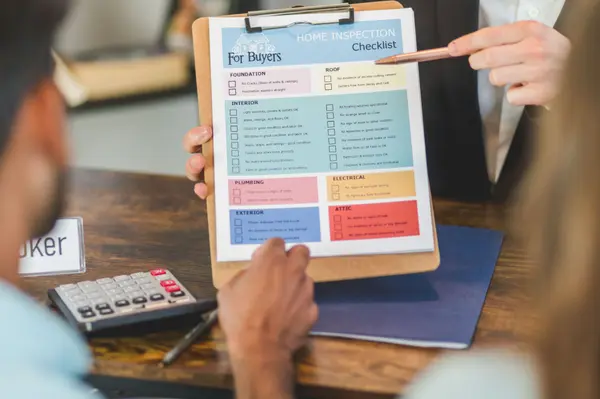
A simple closing checklist can help.
Before closing, sellers should:
-
Complete any agreed repairs
-
Save receipts or documentation
-
Review closing documents carefully
-
Confirm mortgage payoff information
-
Remove personal belongings unless otherwise agreed
-
Leave the home in the agreed condition
-
Gather keys, remotes, codes, and access items
-
Cancel or transfer utilities and services
-
Confirm forwarding address
-
Review wire or payment instructions carefully
-
Keep copies of closing documents
-
Confirm possession timing
A little preparation can make the final days much smoother.
What Condition Should the Home Be In?
Unless the contract says otherwise, sellers are generally expected to leave the home in the agreed condition.
That may include:
-
Removing personal belongings
-
Removing trash and debris
-
Leaving included fixtures and appliances
-
Completing agreed repairs
-
Avoiding damage during move-out
-
Leaving manuals or warranties if available
-
Making sure the buyer can access the home
The exact standard depends on the contract.
If you are selling as-is, selling with belongings included, or negotiating extra time after closing, those terms should be written clearly.
What Happens After Closing?
After closing, escrow finalizes disbursements and provides closing statements.
You may want to keep copies of:
-
Settlement statement
-
Closing disclosure or final accounting
-
Payoff confirmations
-
Repair receipts
-
Improvement records
-
Tax documents
-
Sale documents
-
Any 1099 or tax-related forms
These may be helpful for your tax preparer, especially if you are calculating capital gains, documenting improvements, or selling an inherited property or investment property.
A CPA or tax professional can advise you on your specific tax situation.
Common Seller Closing Mistakes to Avoid
Avoid these common mistakes:
Assuming signing means closing is complete
Signing is important, but closing usually depends on funding and recording.
Moving out too late
Make sure your move-out date matches the contract.
Shutting off utilities too early
The buyer may still need access for walkthrough, inspections, or appraisal.
Forgetting keys, remotes, or access codes
Gather these before closing day.
Not reviewing the settlement statement
Make sure credits, payoffs, and costs look accurate.
Ignoring wire safety
Always verify wiring instructions directly with escrow.
Leaving items behind without agreement
If belongings are staying, make sure that is written into the contract.
Forgetting tax records
Keep closing documents and improvement records for your tax preparer.
A Simple Seller Closing Checklist
As you approach closing, confirm:
-
All contingencies are resolved or on track
-
Buyer’s loan and funding are on schedule
-
Agreed repairs are complete
-
Final walkthrough is scheduled
-
Seller documents are signed
-
Payoff information is accurate
-
Utilities and services are scheduled for transfer
-
Keys and access items are gathered
-
Move-out timing is clear
-
Closing statement is reviewed
-
Proceeds delivery method is confirmed
-
Possession terms are documented
Closing is easier when the final details are handled early.
Final Thoughts
So, what happens at closing when selling a home?
Closing is when the final documents are signed, the buyer’s funds are received, existing loans are paid off, the deed is recorded, keys are transferred, and seller proceeds are disbursed.
It is the final step, but it does not have to feel confusing.
At Dwell Real Estate, we help Sacramento homeowners stay organized from listing through closing. Whether you are selling a longtime family home, downsizing, handling an inherited property, or preparing for your next move, we can help you understand each step and avoid last-minute surprises.
Getting ready to sell your Sacramento home? Let’s talk through the process from pricing to closing so you know what to expect before you begin.
Categories
Recent Posts


"My job is to find and attract mastery-based agents to the office, protect the culture, and make sure everyone is happy! "